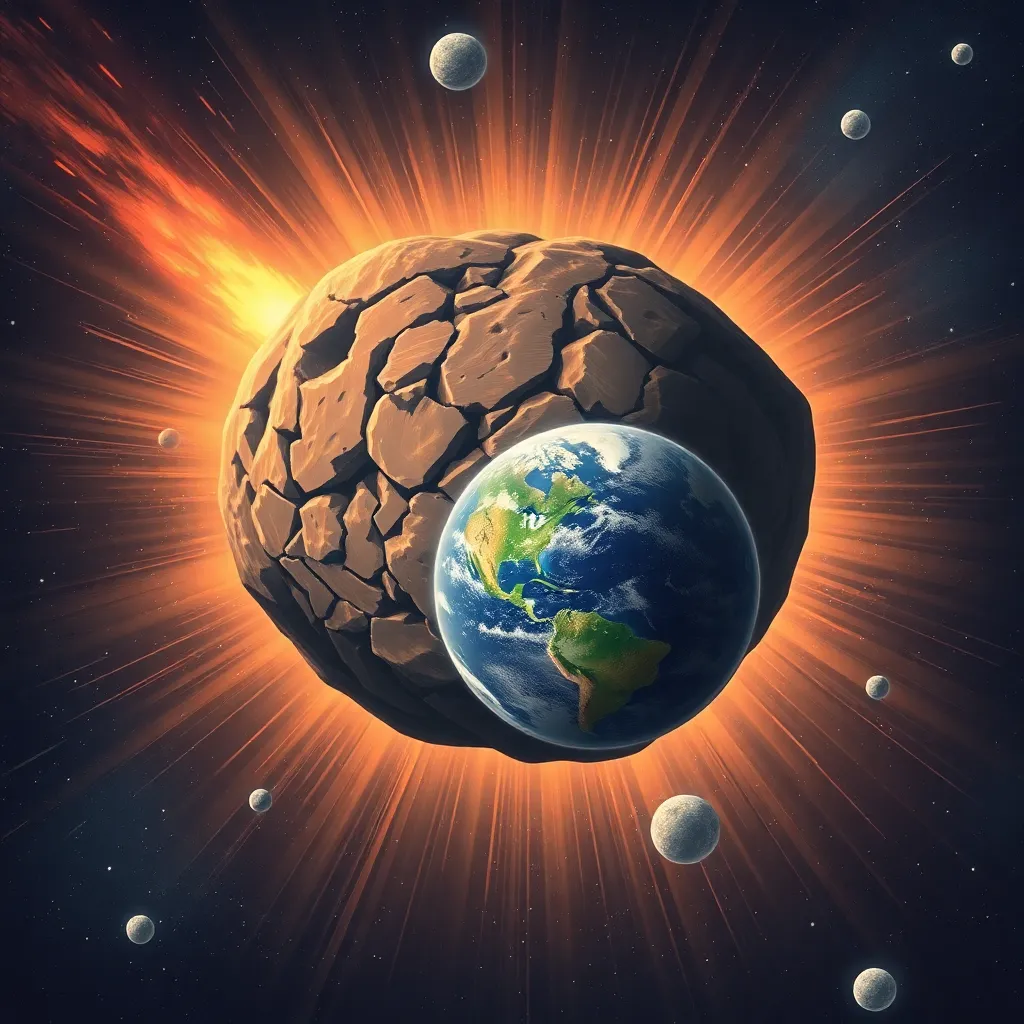
Asteroid 2024 YR4 has been on the radar of astronomers and space enthusiasts for some time now, and recent updates have raised concerns about its potential impact on Earth. According to the latest calculations, the odds of this asteroid hitting our planet in 2032 have doubled, sparking a mix of fascination and fear among the public.
Asteroid 2024 YR4: What We Know
Discovered in 2024, asteroid 2024 YR4 is a relatively small but potentially hazardous object that has been tracked by astronomers worldwide. Initial estimates suggested a low probability of impact, but further observations and refinements to its orbit have led to a revised assessment of the risks.
The Odds of Impact: A Growing Concern
The latest updates indicate that the odds of asteroid 2024 YR4 hitting Earth in 2032 have doubled, although the exact probability remains relatively low. While the chances of a catastrophic impact are still small, the fact that they have increased is a cause for concern and highlights the need for continued monitoring and research.
A Close Encounter, Regardless of Impact
Even if asteroid 2024 YR4 does not ultimately collide with our planet, its close approach in 2032 will be a notable event. According to predictions, the asteroid will come closer to Earth than the Moon, providing a rare opportunity for scientists to study a near-Earth object up close.
Preparing for the Worst-Case Scenario
While the likelihood of impact remains low, it is essential to be prepared for any eventuality. Governments, space agencies, and international organizations are working together to develop strategies for preventing or mitigating asteroid impacts. This includes the development of early warning systems, deflection technologies, and emergency response plans.
The doubling of the odds of asteroid 2024 YR4 hitting Earth in 2032 serves as a reminder of the potential risks and uncertainties associated with near-Earth objects. While the chances of impact remain relatively low, it is crucial to continue monitoring this asteroid and preparing for any eventuality. As scientists and policymakers work together to address these challenges, the public remains fascinated by the prospect of a close encounter with a potentially hazardous asteroid.


